Cancer
Russia prepares clinical trials of cancer vaccine
The vaccine being tested is based on the use of non-pathogenic viruses with anti-cancer activity, which are introduced into the patient's body.
Browse ScienceInfo articles and explainers related to Cancer Vaccine.
39 published items.
The vaccine being tested is based on the use of non-pathogenic viruses with anti-cancer activity, which are introduced into the patient's body.

After decades of limited success, scientists say their research is reaching a turning point, with many predicting cancer vaccines within the next five years.
Unlike traditional vaccines that prevent disease, personalized cancer vaccines are created for use in people who already have cancer.
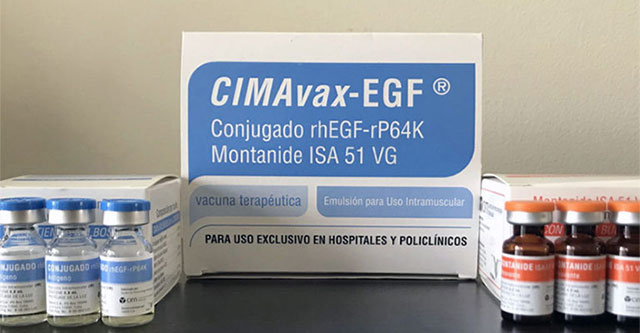
According to a reporter in Havana, on July 14, Cuban Foreign Minister Bruno Rodriguez Parrilla said that the Belarusian Ministry of Health has approved the Cimavax vacci…
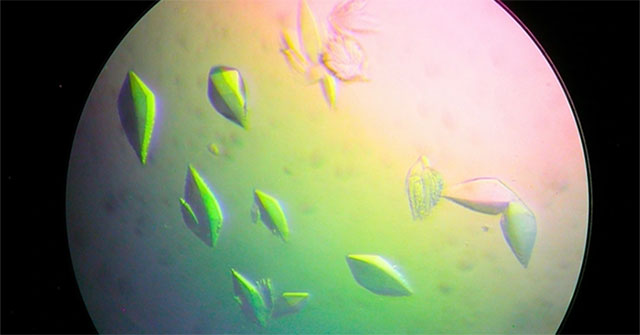
Scientists have discovered a protein that can directly block DNA damage.
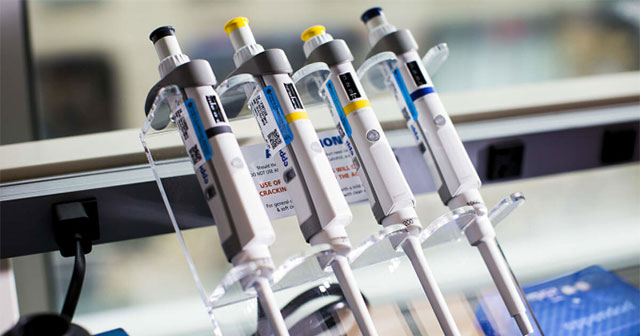
The mRNA vaccine to prevent melanoma is expected to launch in 2025, after being approved by US and European regulators.

Russian President Vladimir Putin said the country's scientists are close to creating a cancer vaccine and can soon provide it to patients.
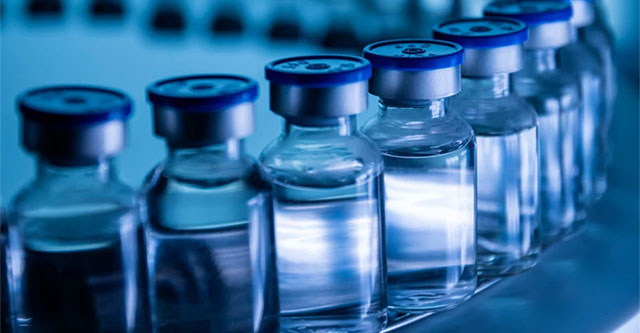
The LungVax vaccine works by using a DNA sequence to train the immune system to recognize and destroy 'red flag' proteins, or mutant antigens, in lung cancer cells.

Scientists from the University of Oxford and AstraZeneca Plc, the creators of the Covid-19 vaccine, are using similar technology to develop a vaccine capable of treating…
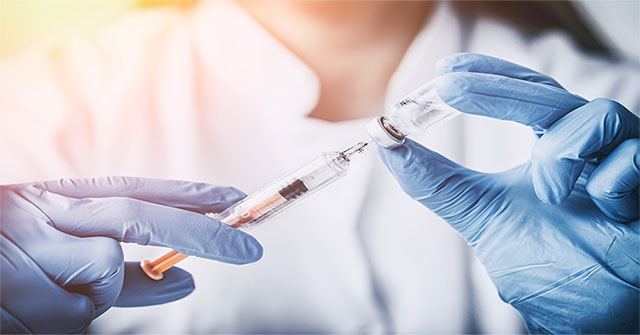
New vaccines invented by Weill Cornell Medicine College (USA) may help reverse bowel cancer, including colon cancer and rectal cancer.
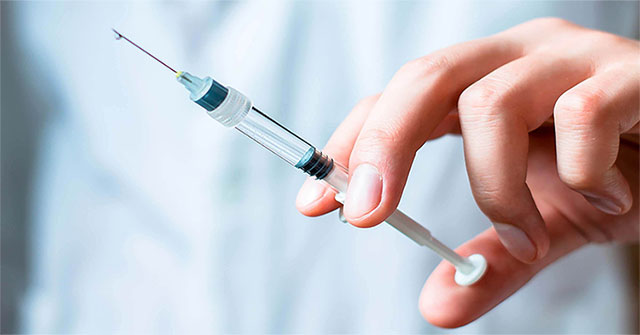
US scientists have figured out how to turn the tumor into a cancer vaccine factory and take advantage of it to destroy the tumor in the body.
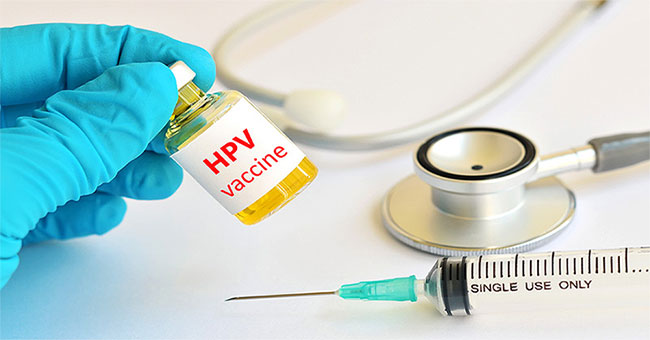
According to CDC (US Centers for Disease Control and Prevention), about 14 million Americans are infected with HPV each year.
A US Government report revealed that every year 40,000 people diagnosed with cancer related to human papilloma virus (HPV) and 80% can prevent it with HPV vaccine.
Recently, engineers at the Massachusetts Institute of Technology (MIT) have successfully developed a vaccine
Cuban scientists said on September 24 that they had finished a second clinical trial of a vaccine that was able to fight prostate cancer.